Getting Political
Don’t Worry, It’s Only Social Mechanics

The core conceit of the game I have been attempting to design is that the politics of the medieval fantasy world matter. A group of powerful adventurers coming into a city would be a worry for any ruler, king or otherwise. This group of independent powerhouses just ran across the world and slew a dragon, taking powerful artifacts from its hoard and dumping a bunch of treasure into the local economy. What are they planning to do with all of those riches? Hire an army? Build a keep? What plans do they have and how are they going to affect my reign?
What do piles of gold do to an economy based on the mass of people farming for a society to survive? Where do the adventurers go when they need assistance, especially if a ruler or leader does not align with their goals and aspirations? Do they usurp the throne, removing the king and taking his place? Historical leaders worried about far weaker people in times where magic was myth and legend.
Societal Metrics
In order for the characters to understand their place in the world, there needs to be a mechanic that informs them. Flavor text and fiction can give the players an idea, allowing them to select the peasant background gives them some inspiration, but if it does not extend further, it quickly gets lost. The mechanic for Strength lets the players know that their bodily power is important. This mechanic is placed on the character sheet, the window the player uses to peer into the game world, and is thus implicitly important. Strength is used as the determinant of how well a character fights, how well they hit and how much damage they deal.
A mechanic determining the structure of a society would need to be more than a text entry, or a label. Using a rating, similar to Strength, would give the player an idea of where their character stands. This metric could have be imparting multiple types or degrees of information, like who they are popular with and how popular they are. It could track how well known their deeds and name are across affiliated lands, with the gossip of merchant caravans and secret magical sendings spreading them far and wide, for good or ill.
The most powerful and well-known entities would of course be at the top of this hierarchy, and the lowest members of society, or those outside of society, would be at the bottom. This structure would have to account for those whether they are trying to make a name or rise in the ranks, or not. Deeds and actions rarely go without a witness, and if it is worthy of conversation, then the information will spread, like it or not.
Like many things we track in our games, we can use a number. Systems that exist already use a term like Status, Renown, Reputation, or others to denote this mechanic. Deeds and interactions can alter this number, making it rise with notoriety or lessen with infamy. Fame and infamy both often come with a growing knowledge of an entity, which leads to the particulars of how to delineate whether they are liked, fame, or disliked, infamy. Either way, more people know about them, and the opinion of people will change from place to place, society to society.
In a lawful society, a chaotic hero will likely gain infamy. Their name will be known, their deeds spread, but the people won’t trust them or agree with the outcomes they have sought. At this point we can alter the existing number that tracks their reputation, or create another metric to track their Orderliness and their Chaosity. Creating more numbers may begin to complicate this system, but it also clearly informs the player of how the world will see them. Chaos loving societies will herald their arrival while orderly societies will lock the gates or provide them an escort.
Avenues of Play
The use of these metrics eases play, especially when social interaction is important. As the characters spread out into the world in search of more advanced trainers, those masters will be members of existing societies that the characters will have to navigate. If the master-at-arms for a king is a fan of the hero, they will gladly introduce them, allowing the hero to advance in their skills. If they are at odds, they may find themselves being challenged by the master-at-arms should they not flee the city. Once they have left, how do they enter the good graces of the liege?
This question opens a floodgate of possibilities for play. The characters now need to seek out knowledge about the king, his society, and how they can alter their reputation or find something to bargain with that the king would not deny. The quest for advancement could take them across the realm in search of scorned advisors, nefarious allies, distant family, rival factions, and countless other groups that have an interest in the kings affairs and would be able to provide the necessary knowledge.
How these metrics interact with the world, how they are used and perceived to those characters living in the world is what is important to us. We, as the players of this game, see the numbers, the flavor text, the descriptions and mechanics, but those represent what our characters and entities interact with in the game world.
Perhaps if our hero held the favor of others the king trusted, that would sway his opinion in favor, even if just enough for him to train with the master-at-arms. This leads to another aspect of a set of social mechanics, Supporters. Our hero did not get this far without having trained with others, and how he interacted with other trainers may have some effect here. Did he simply pay for their services? Or did he find the missing daughter just before she was sacrificed to the goblin deity? Did he build favor or just buy the expertise in a callous fashion with riches pulled from ancient tombs?
The New Direction
Recently, as I have been looking through my current notes, I have noticed a slight veering into systems that are already well fleshed and easier to manufacture. I have spent so many years within certain games and genres that my muscle memory is tied to them. I realized this as I was looking for my social mechanics, one of the core features of my game, and they are sorely lacking.
My solution to this, stuff those notes out of the way and start fresh from where I want to focus. The first set of rules I need to make for this game are those that are most important, and the most difficult. Given my tendency towards a social system that guides players in their roleplay, and gives their characters meaningful choices, progression, and interactions, I need to build this and then continue on to the other modes of play.
Societies contain people, and people love to spread information. Reputation is as much a part of society as the water systems, transportation, and food. The complexities of tracking each characters favor with various guilds, governments, and factions would be a serious tax on the arbiter, so it should be left to the players. An organization section on the character sheet can handle this well, with places for numbers so the player can have an idea of how they are perceived. In reality, many people don’t know how they stand with others, and it can be difficult to find out, but for players to make meaningful choices, they must have information. Little details, conversations, rumors, and idle gossip, can all handle the reasoning for how characters would have even a rough idea of this.
Council
Council is a strong word, something I think is important when it comes to using nouns and verbs in small numbers to describe a mechanical element or system of a game. I was tinkering with Court for a while, as the medieval period had an event called court, but I think council covers a wider area of social interactions.
Council is much like combat in that the game slows down and becomes more structured when important choices are to be made. Not every conversation needs council, only those with stakes and consequences. The stakes can be the freedom of an accused citizen, a negotiation between warring realms, or the penance of a sinner before their deity. The consequences could be the loss of resources, a fight to the door and an escape, or the stripping of magical powers. It is during these times that council is called for, and characters that would excel should come to the front for their time in the spotlight.
Before council begins, there are important factors to consider. Does your quarry value cleanliness, apparel, tradition? How much do they value these things? Going before the king caked in mud and the guts of your foes dripping from your drawn weapon may be an offense that kills any chance of council. Standing before the barbarian lord like that though, may get you everything you wanted.
So before the council begins there are considerations to be made. The process of learning what the king finds acceptable or not is an adventure all its own, a small one maybe, but still a challenge to be met by those with silvered tongues. The peasant may be able to get in good with the servants of the keep, gleaning the mood their highness, what he expects from his guests, and what he rambles about when “no one” is around. Does the smell of the local flowers impact his allergies? Does white clothing remind him of the attempted insurrection by the clergy? All of this information is discovered through Research, another mode of play I would like to introduce.
The Opening
During council, who goes first is not a matter of speed or wit, but of etiquette and influence. In most societies, not all, the most powerful will be the first to speak, or to act, indicating the start of the interaction. Characters that are sarcastic, nervous mutterers, or simply irreverent, may break this tradition and set the group off on the wrong foot. This may seem like a cruel turn, but these occurrences are very real and can add challenge to a situation where chatty may often be a boon.
How well the opening goes can set the mood for the rest of the interaction, granting bonuses or penalties to proceeding checks as the banter ramps up. Throughout the council there will be a volley of speeches, accusations, questions, and rants about the topic at hand, with each side attempting to gain the upper hand before the council falls apart or the actors part ways. You only get one chance to make a good first impression.
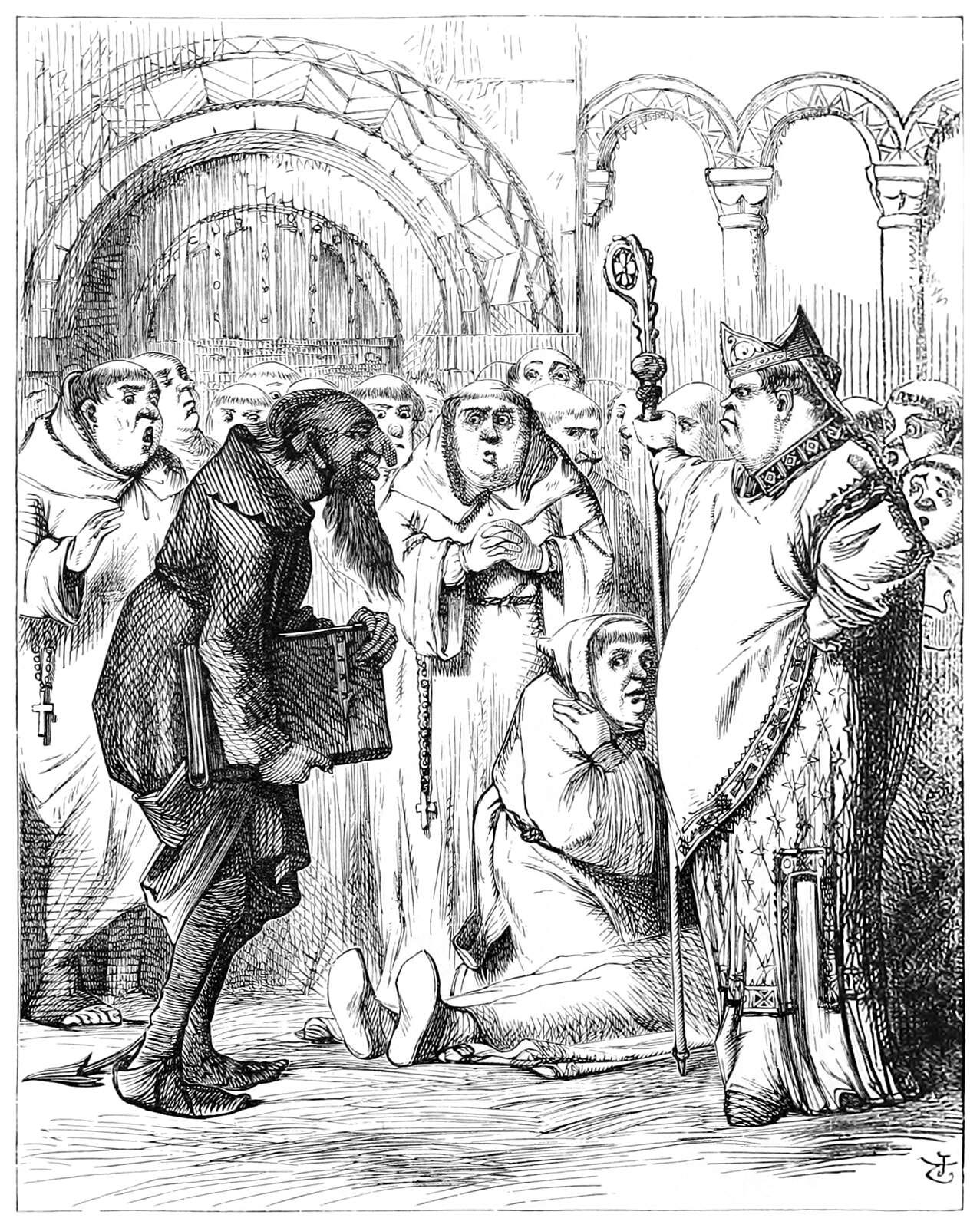
The Proceedings
The easiest way to sort out events at the table is to break them down into a turn order. For council there is not set time for each turn, each actor may take as little or as much as they need to make their point, but there may be some effects for drawn-out actions. An impatient actor may dislike a long-winded take, adding a penalty to the following check. Long turns may also diminish the composure of the other actors, which could be the goal or the timer.
Composure
One of the most difficult things to maintain during prolonged social gatherings can be composure, the ability to present well when among those whose opinions matter. Maybe they don’t matter to you directly, but they may impact how you operate in the future, shifting alliances for or against you as time passes.
During a council session where the goal is to leave with increased reputation, allowing your opponent to run out of composure, or reducing their composure with various tactics, will be the last thing you want. You want to make them like you, trust you, or rely on you more than when you first came in, and you want that without exhausting their patience with you. Someone that exhausts your patience is generally not someone you like.
Composure is a metric for characters and NPCs alike, and those gifted with gab will have quite a bit. Composure is a resource that is expended through your actions, the actions of others, and through prolonged council sessions. Running out of composure means you have essentially run out of patience, and your emotions begin to show through your words and acts. Losing composure during council generally means you lost, and can lead to a loss of reputation or renown, having lost your cool and now everyone is talking about it.
Forcing your opponent to lose their composure can be a great tactic if you are trying to undermine them or break through their tough exterior. Like you, they may also suffer a loss of reputation or renown, and rulers do not take to this kindly, blaming their opponents even if it was their own fault. A king losing their composure can mean the jailing or execution of characters, depending on their alignment, values, or goals.
Composure, though mostly a resource, acts as a timer to ensure that council does not go on forever. If the characters successfully improve the attitude of the local lord during court, they can leave quickly knowing they achieved their goal. Protracted council may be saved as the climax of an adventure or campaign, a bitter debate, a deadly accusation, or the turn of a declining monarch. So long as there are stakes and consequences, a council can be had and those characters who excel at it can let their powers shine.
Social Systems in the Larger Scope
Social systems can be a metric for how well the characters get along with a society or a culture as a whole. Characters acting within their home will have a much easier time than those who are foreign. These benefits show during even the smallest interactions, such as with the local baker who knows the scuttlebutt on local criminals and secrets coming out of the mages tower. Gathering information is a skill that requires time, effort, and trust. People don’t give valuable information to just anyone, and those skilled with speech will be able to make quick work of removing those tidbits.
Quests and adventures are not often come across by people declaring that they need heroes. People go through their lives with a variety of problems, many of them being solved by themselves or just left unsolved altogether. They don’t trapes through the world waiting for some stranger to come along that they can vent their problems to and ask for help. Many people don’t even want others to know that they are having a problem, which means learning about opportunities to perform favors, quests, requires a keen insight and a gentle touch.
This is especially important when considering those in powerful positions. Those who wield power often have to struggle against others to keep it, so letting their adversaries know they have a problem is a weakness that can be exploited. If the king needs some goblins on the edge of his realm dealt with, because for some reason he and his people can’t do it, then he is certainly not going to advertise that. Those who seek the throne will use his weakness as a wedge to lever power away, and only the most trusted advisors will have that knowledge. The harder this knowledge is to obtain, the more valuable it is.
Learning about this problem doesn’t just give the characters a quest, it gives them a way to improve their standing with a powerful NPC in the region, gaining an ally that may open doors or lend them aid in dire straits, support that may be needed in the long run. It gives the players organic ways to gather quests, and direct and obvious impacts on the world around them. The characters may advance their power from this quest, but they may also advance their place in the world and change it in a tangible way, which is something as a player I always sought more than treasure.